Illyrian Revival
Clay plate collection inspired by Kosovo's archaeological treasures, bridging ancient Illyrian culture with contemporary art
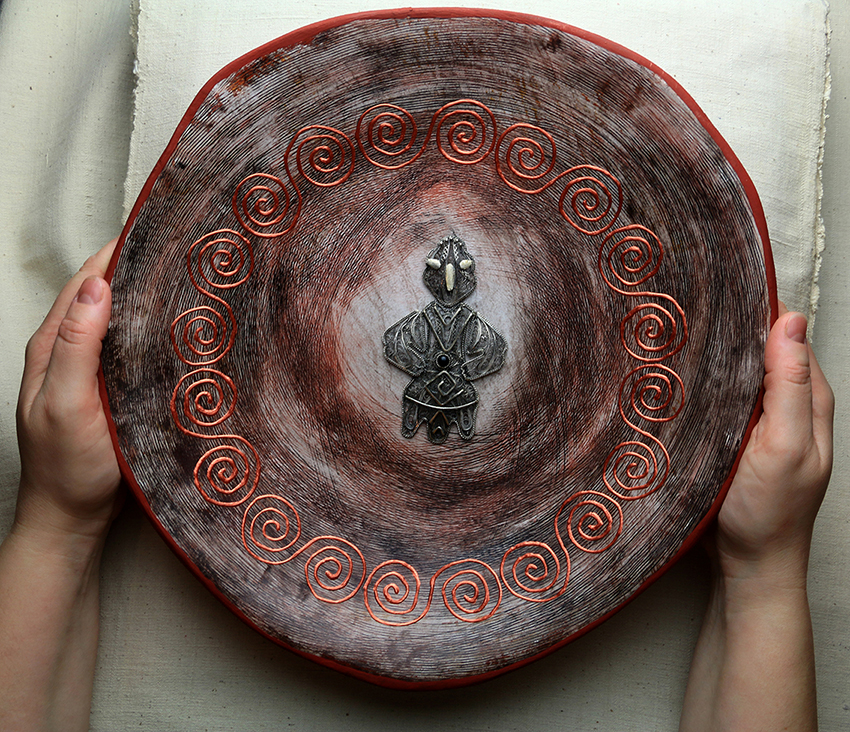
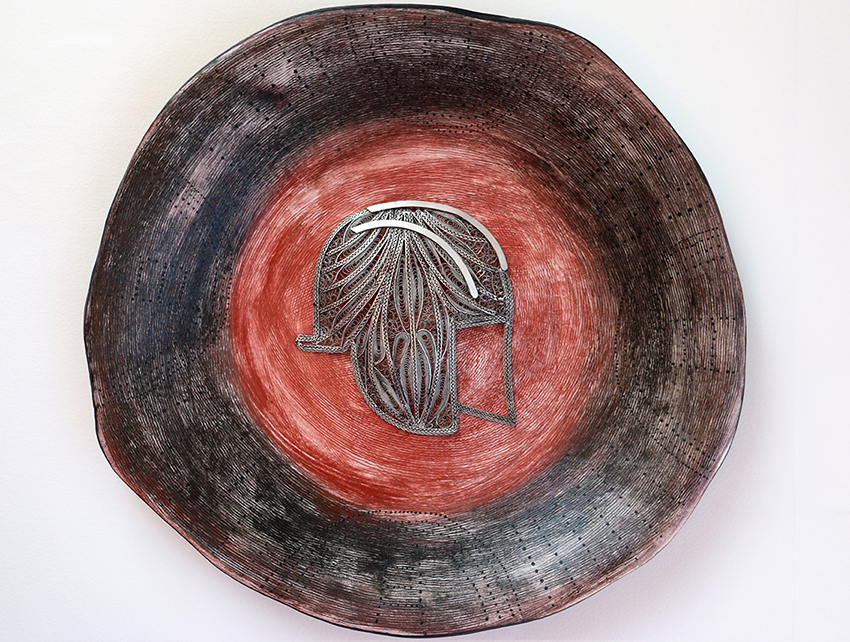
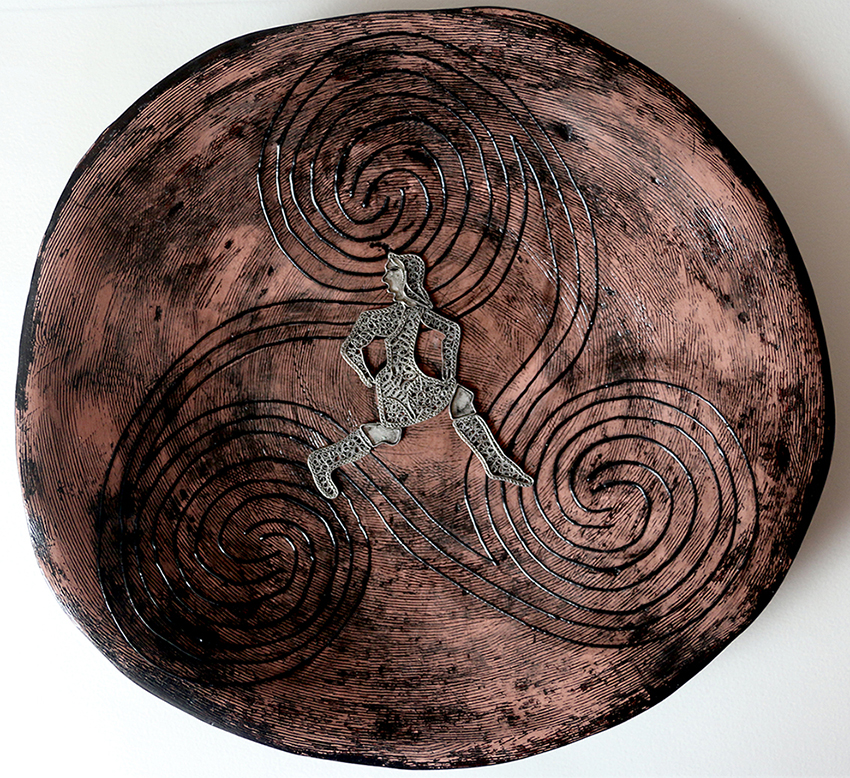
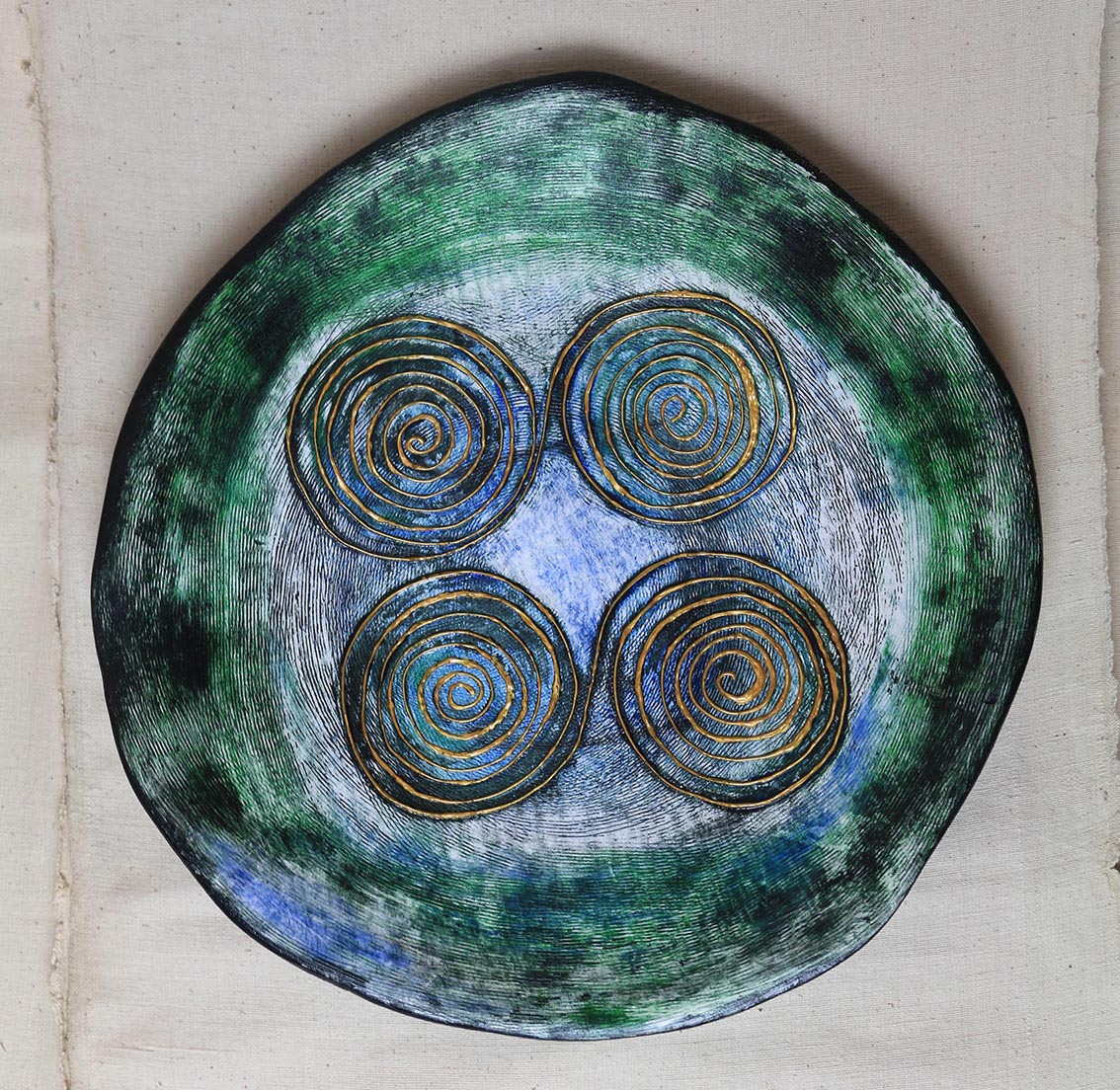
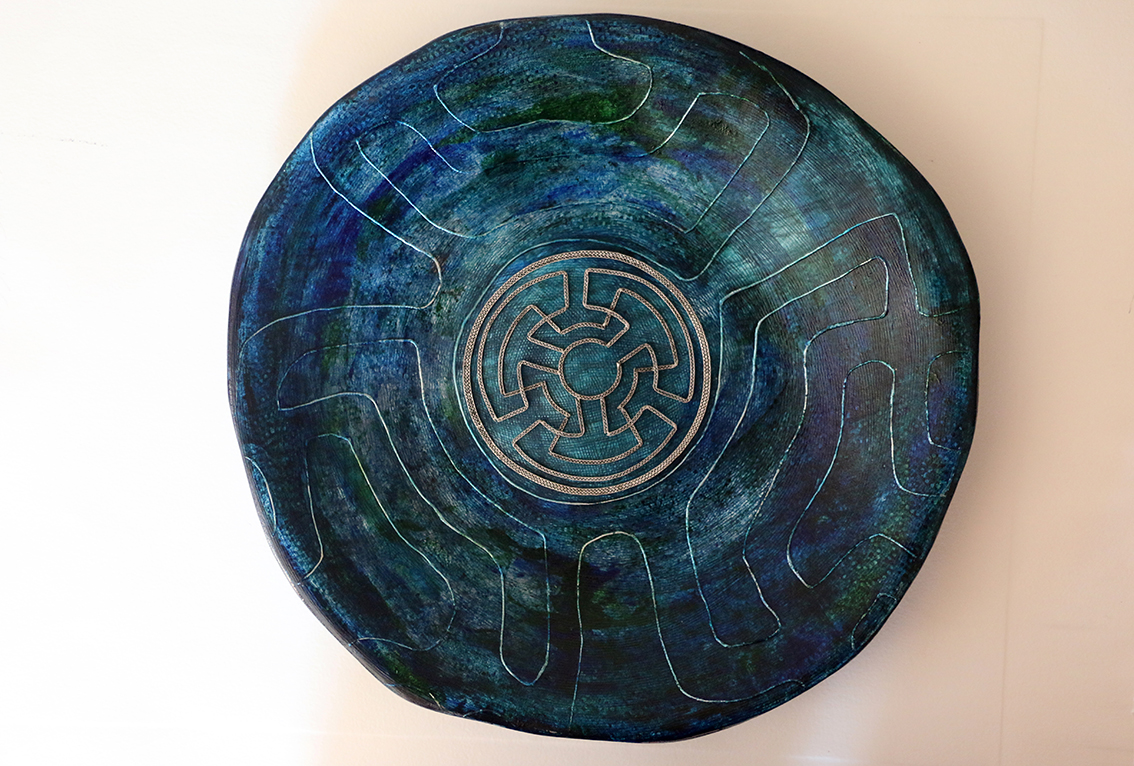
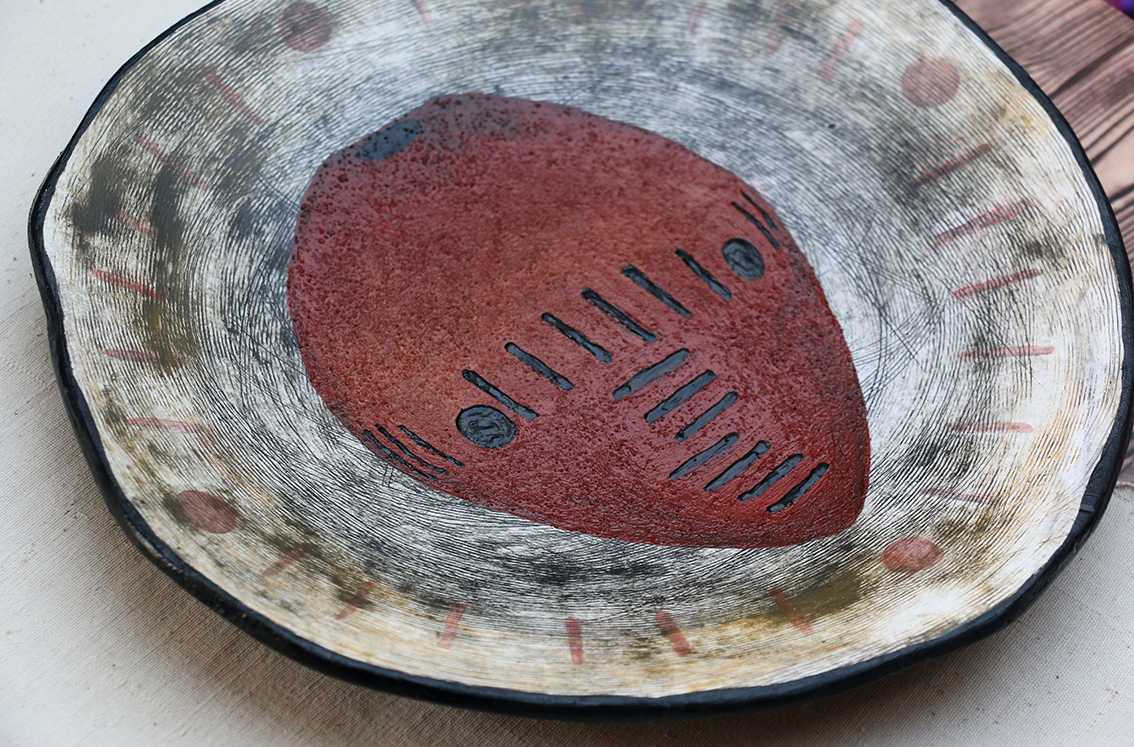
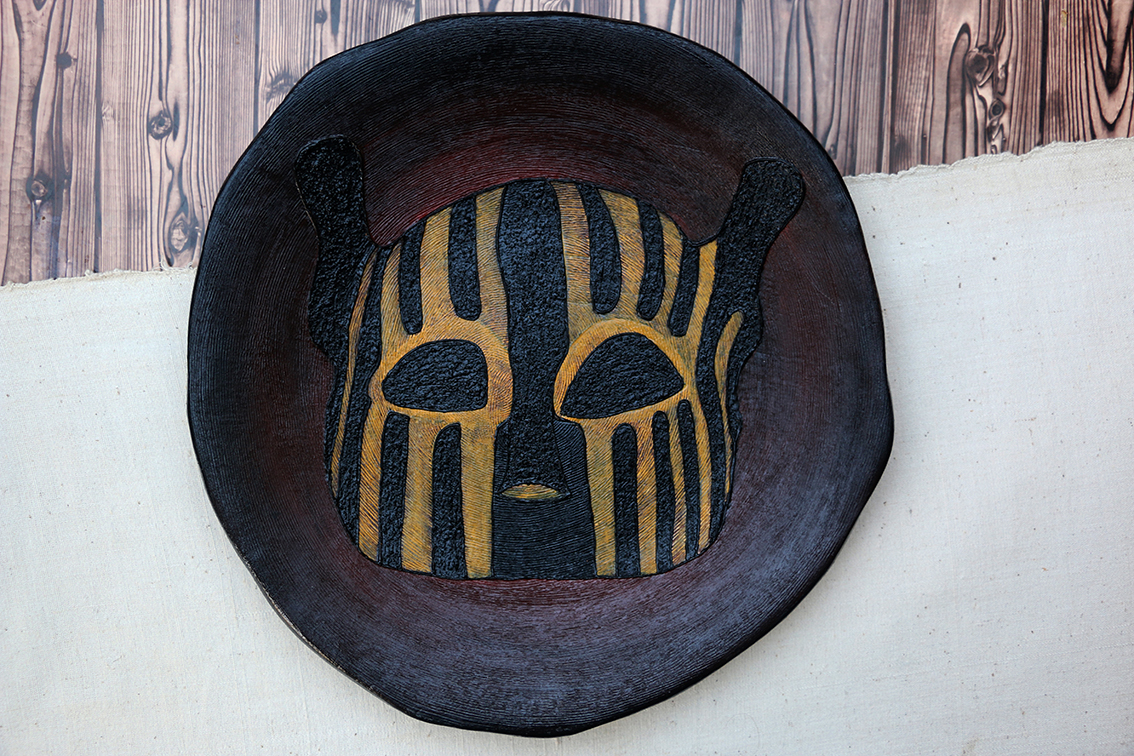
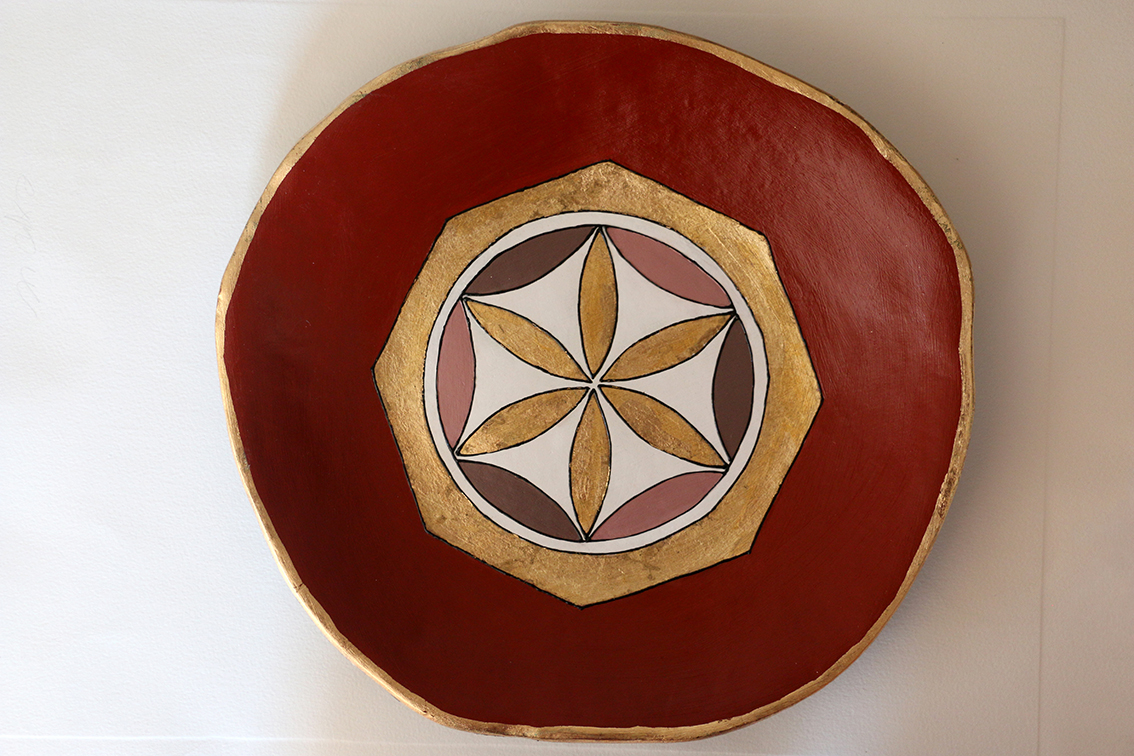
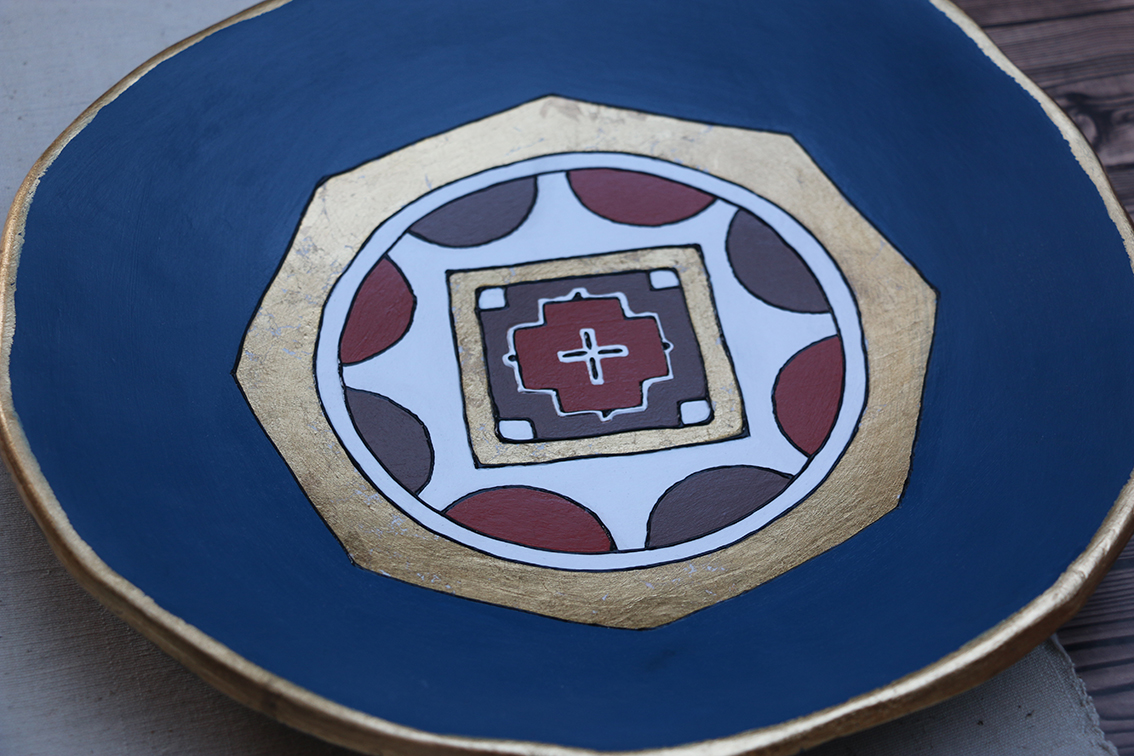
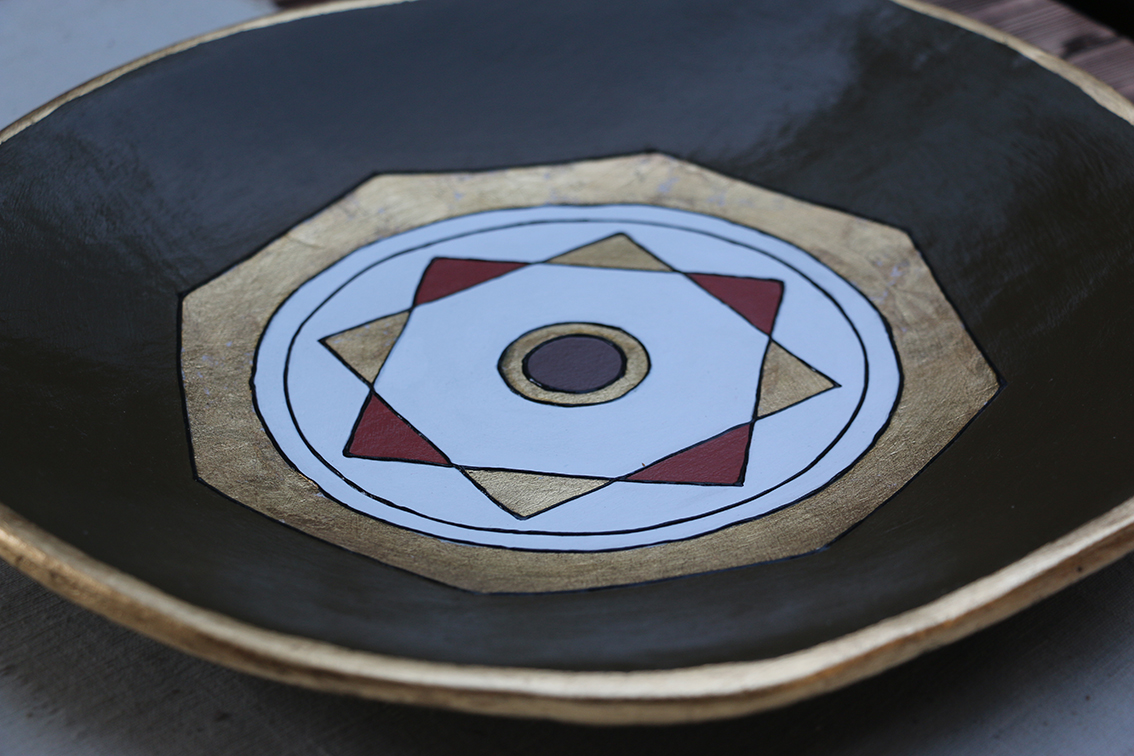
The artefacts found in archaeological sites, dating back to prehistoric periods and spanning across the entire territory of the Republic of Kosovo, are evidence of our rich cultural heritage. They serve as guides to the way of life, customs, beliefs, and religious rituals, as well as the development of inhabitants throughout various historical periods, namely the Illyrians/Dardanians and their descendants.
Archaeological research in the Kosovo region began in a modest form around the 1930s, intensifying around the 1950s, 60s, 70s, and 80s when significant archaeological sites such as Novo Bërda, Ulpiana, Tjerrtorja, Glladnica, Hisar, Fafos, and many others were discovered. The archaeological collections of Kosovo were enriched especially through campaigns to raise public awareness, archaeological excavations, and the establishment of the Kosovo Museum in 1949.
Archaeology serves as a bridge connecting the past with the present, along with the Albanian language, they are the most powerful elements for the creation of our national identity and the testimony of our roots. Inspired by the importance of archaeology and the artefacts found for the culture and identity of a people, I felt the desire to create a special collection of clay plates inspired by some of the unique artefacts of my country.
Goddess on the Throne
The Goddess on the Throne is one of the most valuable archaeological artefacts of Kosovo, renowned as a unique example of the Prishtina style. This terracotta figurine was discovered in the city of Prishtina during the 1950s, at the Neolithic site known as Tjerrtorja (in the present-day neighbourhood of Kalabria). The terracotta statue dates back to c. 4th - 3rd millennium BC. The anthropomorphic sculpture depicts a female deity, specifically reflecting the cult of the great mother goddess. The anthropomorphic figurine is presented in a seated position on a throne, upright, with both hands placed on the waist. The head has a pentagonal shape with sharp facial contour features, including a pronounced nose and almond-shaped eyes. A semi-circular diadem adorns the head.
Illyrian Helmet
Illyrian Helmet, along with other typical Illyrian military headwear, was accidentally discovered during the construction of a health resort hotel (Onix) in 1974, at the archaeological site of Banja e Pejës. It belongs to the Iron Age (c. 11th - mid-4th century BC), a period during which iron weapons were produced and widely used in warfare.
This bronze helmet, which in its later styles covered the entire head and neck, was open-faced in all its variations. The helmet is called “Illyrian” based on a large number of helmets coming from Illyria. The “Illyrian” type of helmet does not hinder the senses of sight, although it does hinder the senses of hearing.
Illyrian helmets are typically made of bronze.
The Runner of Prizren
The bronze sculpture known as “The Runner” or “Menada of Prizren” is a very special exhibit, discovered somewhere in Prizren during the second half of the 19th century. The bronze statue has a height of 11.4 cm and may have been an ornamental attachment to a particular decorative vessel. The statue is thought to have been crafted during the archaic period and is dated around 520-500 BC.
The bronze figurine depicts the form of a girl athlete in a running pose, with her body facing forward while looking slightly downwards to her right, holding her dress with her left hand. In fact, she is wearing a short chiton resembling a tunic on one shoulder, while her right breast is exposed, and her hair falls parallel and wavy from behind.